
The foodservice sector stands at a crossroads. Operators across the UK and EU face rising costs, cautious spending and shifting diner expectations. The market, however, remains remarkably resilient. People may tighten their belts, but they still order in, pick up a takeaway or treat themselves when the mood strikes.
Where then should operators place their bets? Do diners want rock bottom prices, or will they pay more for quality?
The honest answer is both. Diners certainly expect value, but they will not tolerate disappointment. Kitchen operations sit at the heart of this delicate balancing act.
The Value Equation Has Changed
Mintel’s latest insights show that 32 percent of Brits plan to cut spending on restaurants and takeaways in 2025. At the same time, takeaway orders remain well above pre pandemic levels. In Germany, for example, the market will reach an estimated 58 billion euros in 2025, with many consumers choosing takeaway as a more affordable alternative to dining out.
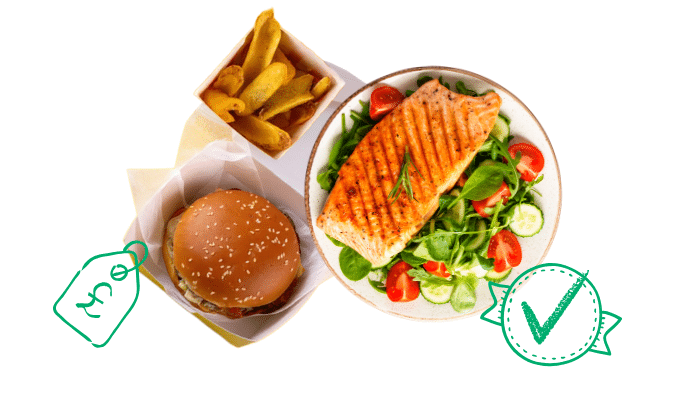
Younger diners chase deals and discounts. Older generations look for quality, comfort and a touch of indulgence. Across both markets, consumers now define value as more than price. They weigh up portion size, presentation, taste, service and aesthetics – yes, even how well a dish photographs for social media makes a difference.
If a portion looks mean spirited or inconsistent, diners feel short changed. If quality slips, they may never return. This is a risk few operators can afford in a competitive market.
Portion Control Protects Profit and Perception
When costs rise, margins tighten. Many operators feel tempted to shave a little off each plate. The problem is inconsistent portioning often causes more harm than good.
Precise portion control delivers three clear benefits:
- It safeguards gross profit by keeping food costs predictable.
- It builds trust because diners receive the same experience on every visit.
- It reduces waste, which supports both sustainability goals and the bottom line.
In Germany, where high foodservice prices push diners to trade down or create takeaway meals at home, consistency becomes a powerful differentiator. If a guest pays a premium over retail, they expect a clear step up in quality and reliability. In the UK, where social media drives choice among 16- to 24-year-olds, visual consistency matters just as much. A dish that looks different each time undermines brand credibility. A plate that arrives exactly as promised reinforces confidence.

Kitchen teams control that outcome. Clear specifications measured portions and well-trained staff ensure that price sensitive diners still feel satisfied, while quality focused guests recognise craftsmanship.
Operators do not need to discount heavily to win footfall. They need to deliver a product that feels worth it every single time.
Takeaway, Delivery and the Consistency Challenge
Off premises dining now shapes the future of foodservice. Takeaway thrives because it offers comfort and cost efficiency.
But it can also magnify operational weaknesses.
Every gram of food and every garnish counts when food travels: Over portion? You erode margin. Under portion and you invite complaints and refunds. In dark kitchen and delivery led models, diners ultimately judge on the product in the box.
Operators can scale with confidence when they:
- Standardise recipes
- Control portions
- Monitor performance closely
Those who rely on guesswork often struggle with fluctuating food costs and uneven reviews. Consistency does not stifle creativity but instead provide the foundation that allows innovation to flourish without jeopardising profitability.
Health, Quality and Measured Value
Another shift for foodservice operations is the consumer increasingly seeking healthier, less processed options – while cost of living pressures temper their willingness to pay more.
This creates an operational challenge. How does one deliver balanced, protein rich or lighter seasonal dishes at a price point that feels fair?
Portion control and recipe management again hold the key to success. When kitchens measure accurately and forecast demand effectively, they reduce waste and free up margin. That margin allows operators to invest in better ingredients or premium elements that elevate perceived quality.
Rather than choosing between price led and quality led, operators can build a model where operational discipline funds culinary ambition.
So – Price Led or Quality Led? Start with Operational Excellence
The debate often frames price and quality as opposing forces. In reality, diners expect both. They want honest portions, dependable flavour and a sense that they have spent wisely.
Operators who master consistency place themselves in a stronger competitive position. They can introduce limited time offers without losing control of costs. They can maintain standards across multiple sites. They can reassure cautious consumers that every pound or euro delivers genuine value. In today’s climate, that reassurance makes all the difference.
Consistency wins loyalty. Loyalty sustains profit. See how consistency supports your customers’ expectations.